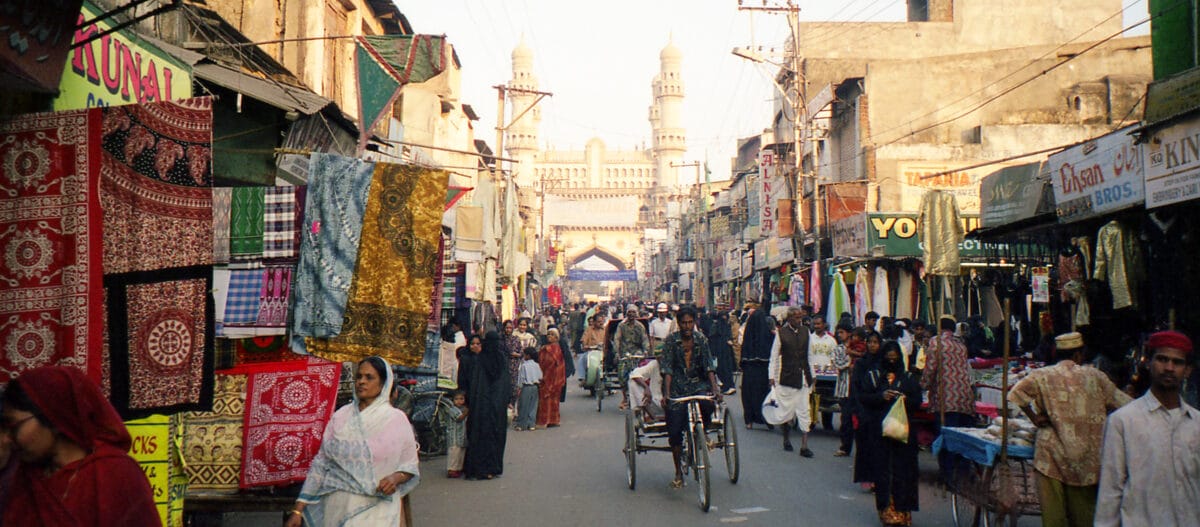
The protests that unfolded over the last month across India surfaced their anger and disappointment in a system that has rewarded exams and not resilience. Have we done enough for our youth, ponders Gayathri Vasudevan .
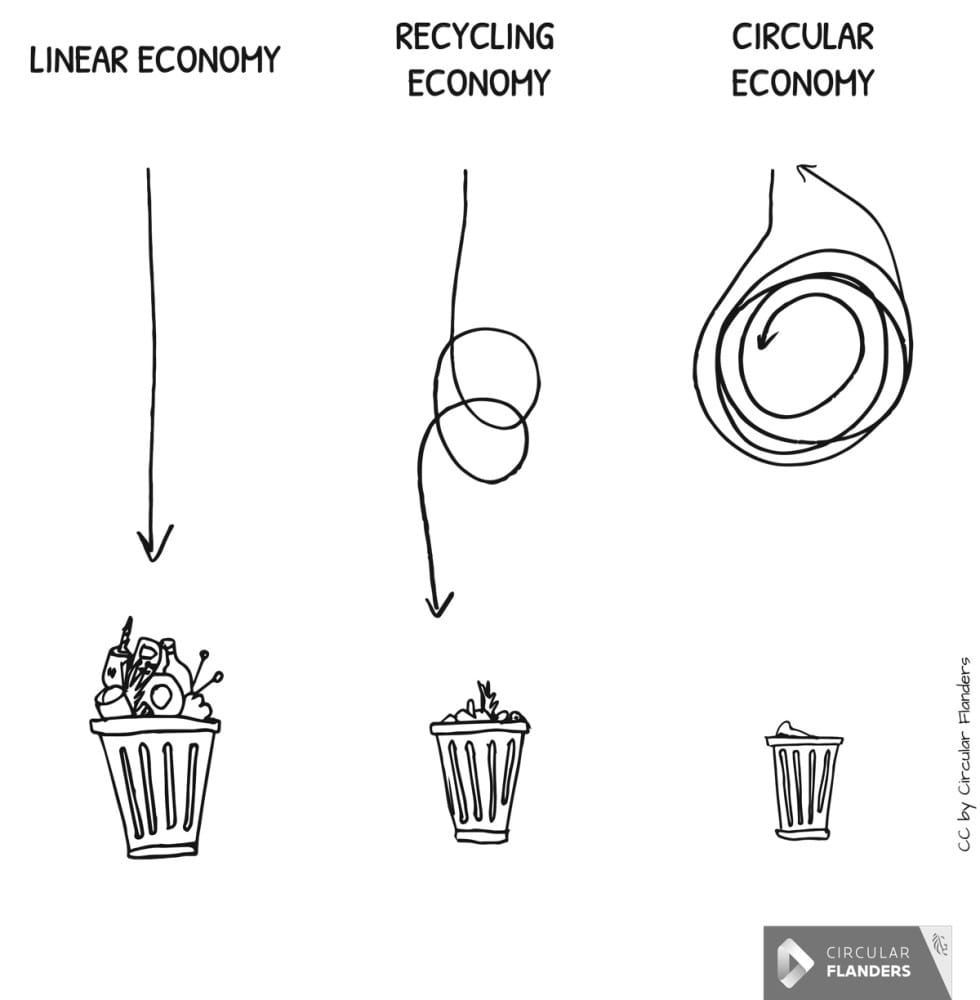
Encouraging the use of products for as long as possible does more than optimizing the use of natural resources. It can support sustainable innovation and efficiency, and do so without diminishing the profitability of businesses, write Aditi Lokhande and Shekar Prabhakar .
Large Indian firms are yet to become global champions. Given the global headwinds, India should focus on improving the competitiveness of these companies so that they can tap into large external markets far more than they have managed so far, say Shishir Gupta and Rishita Sachdeva.
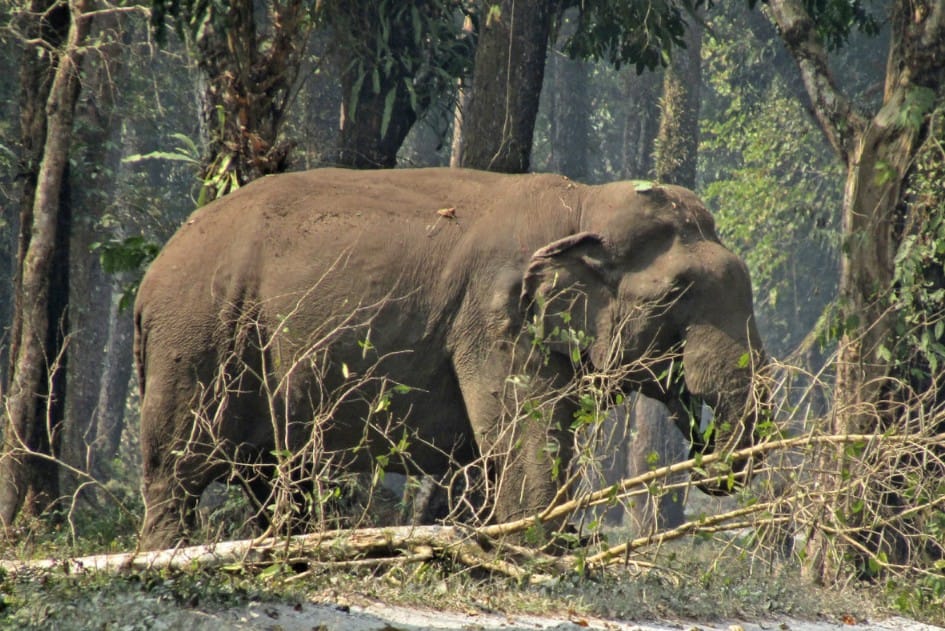
A study in northern West Bengal found elephants are selective with their diet, feeding on less than half the species of plants around them. This is contradictory to the prevalent view that elephants are generalist feeders. Nabarun Guha reports.
The apex court, in a recent case, recognised that narrow patriarchal principles and assumptions about permissible sex are limiting the legal options available to pregnant persons, and lead them to unsafe alternatives. Sweta Dash reports.
The Indian Giant Squirrel is an indicator species; its presence suggests a healthy forest. Its numbers are on the decline though, which is why the conservation of IGS needs a holistic approach where the focus is as much on the habitat as on the animals themselves. Sneha Mahale reports.
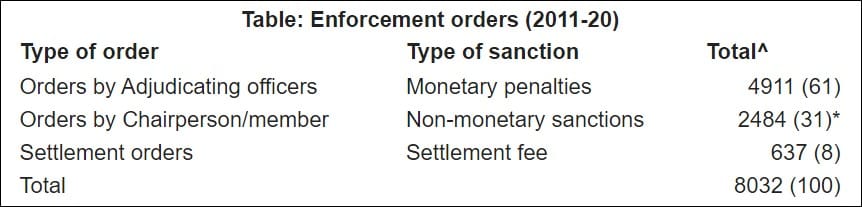
An analysis of over 8,000 enforcement orders passed by the Securities and Exchange Board of India over a span of ten years provides insight into the use of its powers by the institution, and its priorities. Devendra Damle and Bhargavi Zaveri Shah summarise their findings.
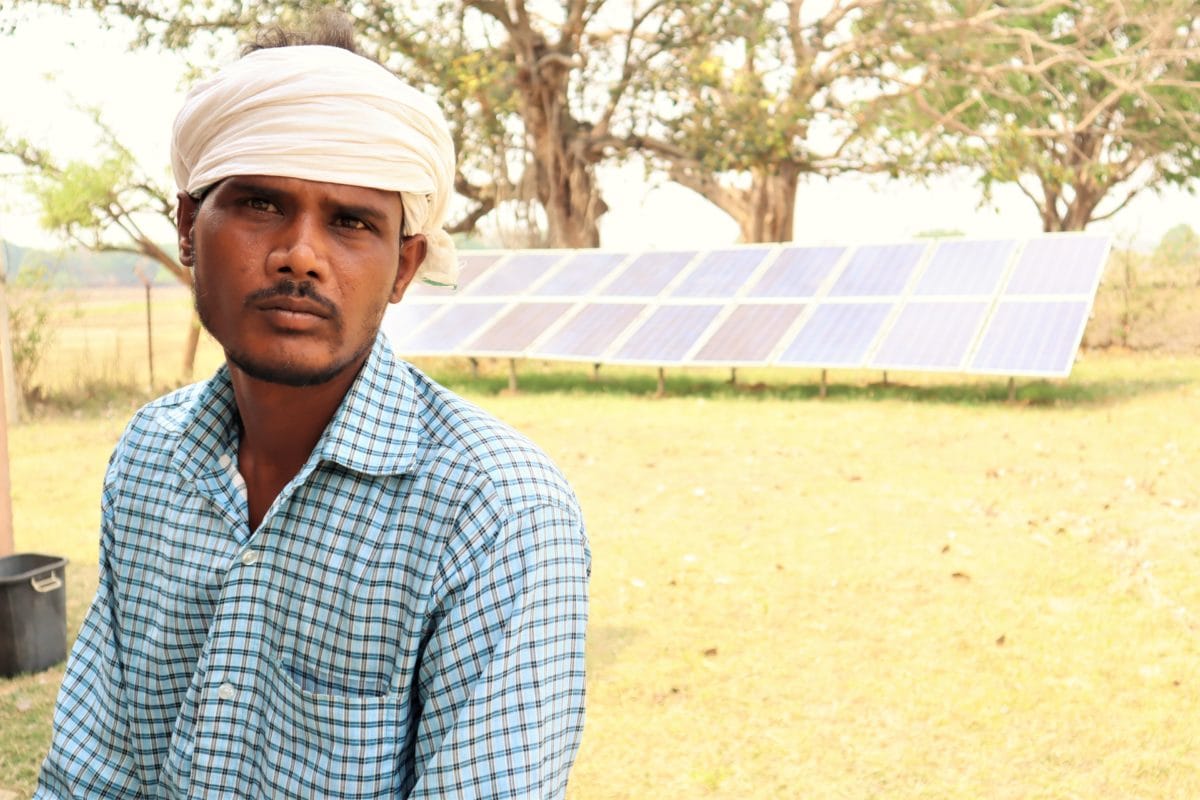
The Decentralised Renewable Energy sector is steadily adding jobs, and this trend is likely to continue, according to research reports. However, women's participation in this workforce is low, and financing difficulties too need to be overcome. Manish Kumar reports.
Scientists examining satellite images of the Sundarbans mangroves find that frequent cyclone-induced damage slows the recovery of mangroves and changes the forest composition in comparison to other regions that didn't witness many cyclones. Priyanka Shankar reports.
Informal settlements, despite containing a majority of the people, are treated as aberrations. Forced to live outside legal sanction, the poor in our cities are vulnerable to dispossession, and condemned to a degraded quality of life, writes Prem Chandavarkar.
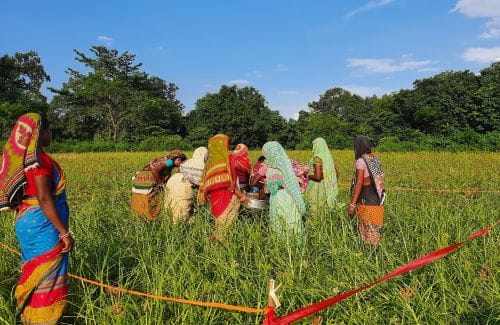
Tribal communities in Similipal are being encouraged by a flagship program of the Odisha government to conserve seeds and water, use bio-inputs and inter-crop millets with other crops. Farmers are optimistic that this can bring them food security and better livelihoods. Abhijit Mohanty reports.
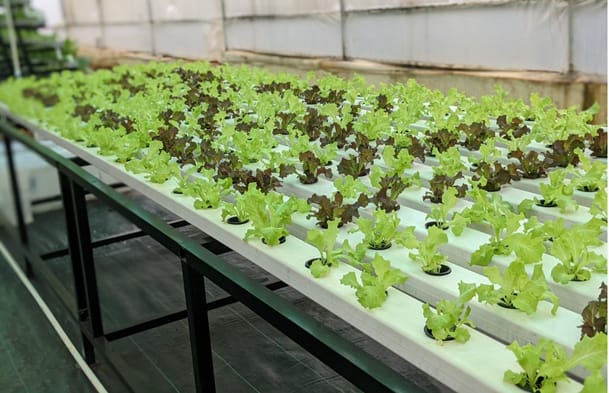
India needs to grow a lot more food, and do it sustainably to be able to meet its future food security and also keep its climate commitments. Precision farming is still nascent in the country, but could offer a way forward.
The GST Appellate Tribunal is already much-delayed, and the apex court has directed the government to set it up swiftly. It presents a greenfield opportunity to build a completely online dispute resolution system that can significantly ease doing business, writes Surya Prakash.